The Quiet Revolution: How Maria Santos Built a Movement One Block at a Time
The Woman Who Maps Dreams
Maria Santos doesn’t look like your typical revolutionary. She’s standing outside Café Luna on 24th Street, checking her phone while balancing a stack of fluorescent flyers and what appears to be homemade empanadas wrapped in foil. But in the past three years, this 34-year-old community organizer has pulled off the kind of grassroots change that makes city planners take notes and developers nervous.
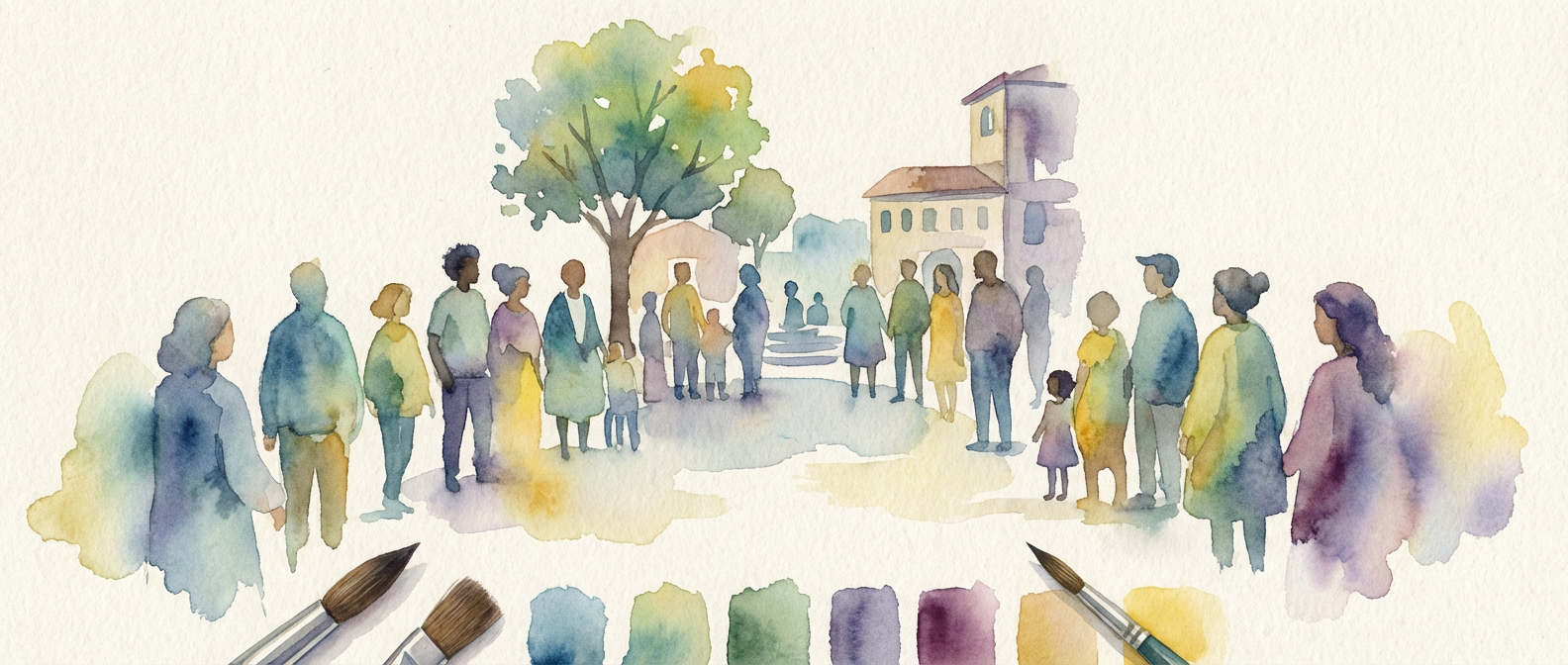
Her latest victory? Getting the city to install protected bike lanes on Mission Street after an 18-month campaign that included everything from guerrilla chalk art to a flash mob of cyclists dressed as Day of the Dead skeletons. The imagery wasn’t random. “People were literally dying on that street,” Maria tells me, pulling up photos on her phone of the memorial flowers that used to mark hit-and-run sites. “We made the invisible visible.”
What started as Maria’s frustration with her own near-miss accident has grown into something much bigger. She’s become the unofficial conductor of a symphony of neighborhood voices that most people never hear. And she’s doing it with a combination of old-school door-knocking and social media savvy that would make Alexandria Ocasio-Cortez proud.
The Art of Listening at Scale
Maria’s organizing philosophy centers on what she calls “the multiplication of small yeses.” Instead of starting with grand pronouncements or petition drives, she begins with coffee dates. Lots of them. In the past month alone, she’s had one-on-ones with the owner of the corner taqueria who’s fighting a rent increase, three parents worried about playground safety, and an elderly man named Jorge who’s been documenting every pothole on his block for two years.
“Jorge had spreadsheets,” Maria laughs, scrolling through photos of meticulously cataloged street damage. “I mean, this guy was basically doing the city’s job for free. My role was just connecting his data to the right bureaucrat who could actually fix something.” That connection led to a $40,000 repaving project that Jorge now calls “my baby.”
This is how Maria works. She doesn’t create movements so much as she reveals the ones already happening in living rooms and corner stores. Her WhatsApp groups now include 400-plus neighbors, organized by block and issue. The bike lane campaign started when she realized that parents in three different buildings were all keeping their kids off the same dangerous intersection.
Building Power in the Spaces Between
The genius of Maria’s approach is her understanding of informal networks. She knows that Mrs. Chen from the flower shop talks to more people in a week than most city council members do in a month. She knows that the teenagers who gather outside Roosevelt High every afternoon have insights about street lighting that no urban planning consultant could provide. And she knows how to translate between these different languages of expertise.
Take the recent fight over the proposed luxury development at 18th and Valencia. While other advocacy groups focused on policy arguments and zoning regulations, Maria organized what she called “story circles.” Neighbors shared memories of the corner lot as a community garden, a pickup soccer field, a place where kids learned to ride bikes. These stories became the foundation for a counter-proposal that the developer ultimately accepted: affordable housing with preserved green space.
“Policy is personal,” Maria explains, unwrapping one of those empanadas she’s been carrying. “When people see their own experiences reflected in official processes, they stop feeling powerless. They start feeling like experts on their own lives.” The empanada, it turns out, is from Carmen’s kitchen two blocks away. Carmen started selling them door-to-door during the pandemic and now runs a catering business that employs six neighbors. Maria helped her navigate the permit process.
The Technology of Trust
Maria’s organizing toolkit reads like a syllabus for modern community building. She uses Instagram Stories to document city council meetings, turning dry policy debates into digestible updates complete with emoji reactions. Her TikTok account (@mariamovesus) has 12,000 followers who tune in for her “bureaucracy breakdowns” where she explains complex zoning laws using props from the dollar store.
But the real innovation is how she combines digital reach with face-to-face relationships. Every online campaign includes multiple opportunities for real connection. The bike lane advocacy included monthly “rolling meetings” where participants cycled the route together, stopping at dangerous intersections to share stories and strategize. Her voter registration drives happen at bus stops and laundromats, places where people are already waiting and available for conversation.
“Screens connect us, but they don’t build trust,” Maria says, showing me her color-coded calendar that blocks out time for doorknocking every Tuesday and Thursday. “You have to show up in real life, consistently, especially for people who have been ignored by every other organizer who came through promising change.”
What Victory Actually Looks Like
Three years in, Maria’s wins are everywhere once you know how to look. There’s the community fridge outside Rosario’s Market, restocked daily by a network of families and restaurants. There’s the monthly “fix-it clinic” in Dolores Park where neighbors repair everything from bicycles to relationships. There’s the informal translation network that ensures Spanish-speaking families never miss important school meetings.
And then there are the people. Like David, the barista at Café Luna who went from complaining about his commute to leading the charge for better bus service. Or the group of teenagers who turned their frustration with curfew enforcement into a youth advisory committee that now influences city policy. Maria didn’t create their passion. She just gave them tools and connections to make that passion work.
Her phone buzzes constantly with updates from various campaigns and celebrations of small victories. A new crosswalk. A landlord backing down from an illegal eviction. A neighbor getting citizenship. Each notification represents hours of relationship-building, strategy sessions, and the kind of patient work that rarely makes headlines but changes everything for the people involved.
If you’re reading this from your own neighborhood, wondering how change actually happens at the ground level, Maria Santos is proof that it starts with paying attention to what’s already there. The questions your neighbors are asking, the problems they’re already solving, the dreams they’re afraid to speak out loud. Sometimes the most radical act is simply making those conversations visible and giving them somewhere to grow.

The Status of Stress: How Organizations Turn Busyness into a Badge of Honor
The Hidden Currency of Overwork: How Organizations Turn Busyness into a Badge of Honor
Gen Alpha’s 2020s Nostalgia Is the Most Honest Cultural Criticism We’ve Seen in Years
About Author
