Gen Alpha’s 2020s Nostalgia Is the Most Honest Cultural Criticism We’ve Seen in Years
The Kids Are More Than Alright
Walk into any trendy thrift store in Brooklyn or Silver Lake right now and you’ll see something that should make every millennial question their grip on reality. Twelve-year-olds are dropping serious cash on ring lights. Not vintage Polaroid cameras or retro band tees, but the exact same LED circles their older siblings used for homework Zoom calls just five years ago.
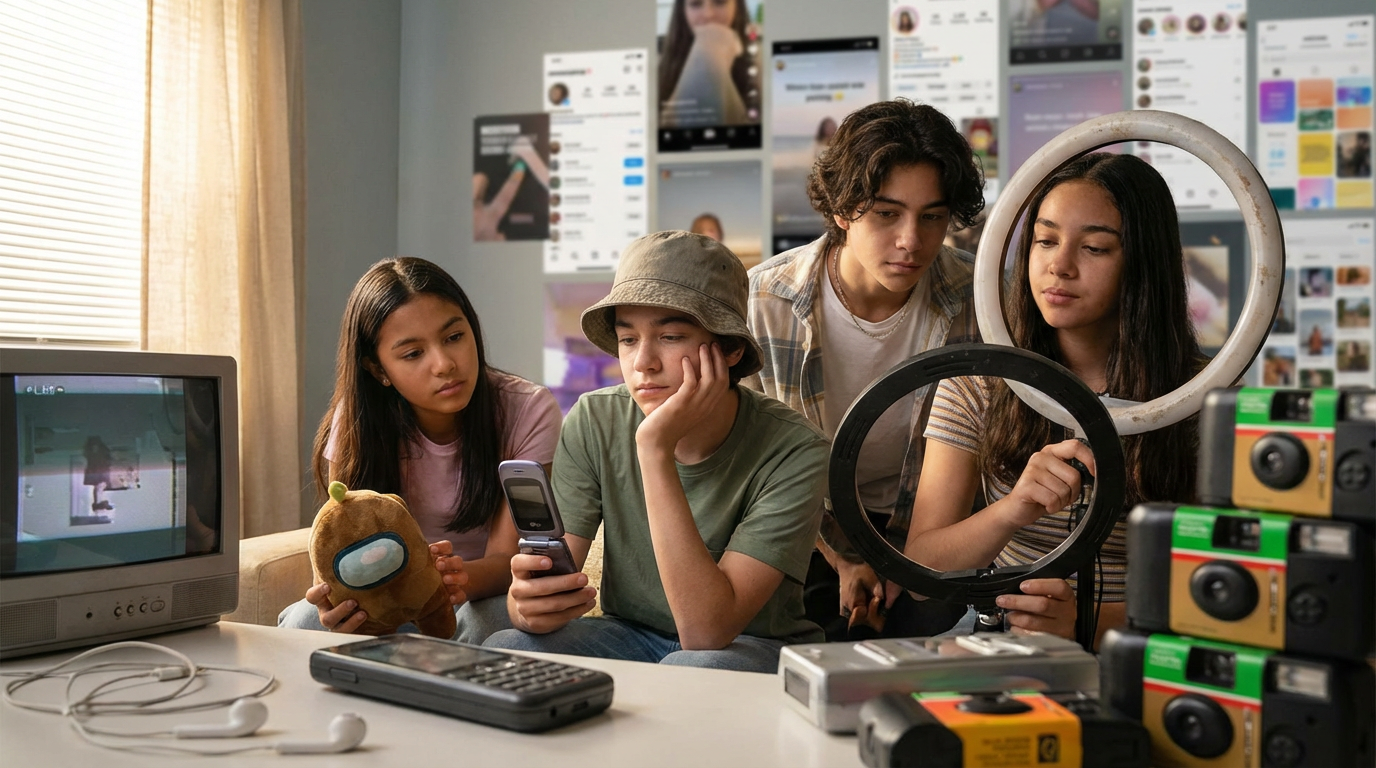
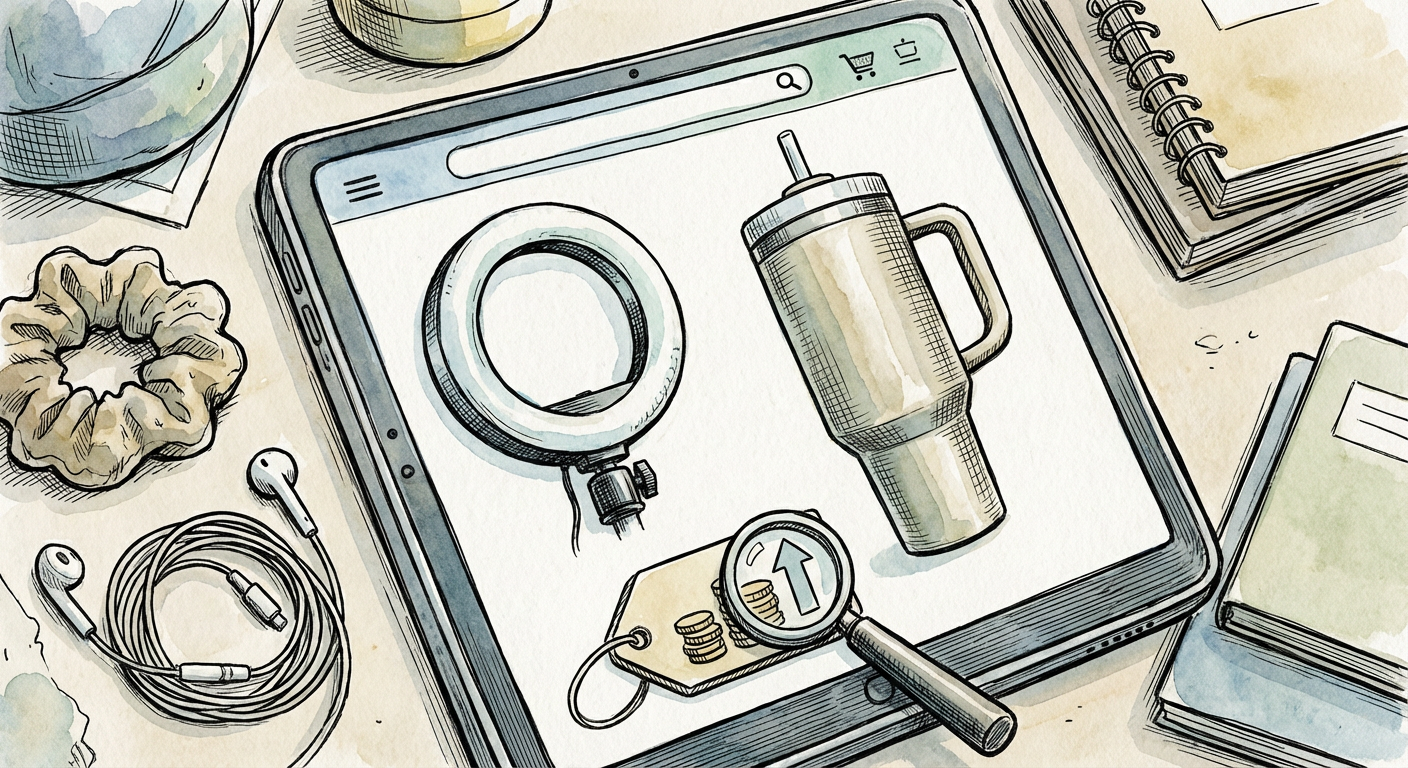
Between December 2025 and February, TikTok users aged 10-14 pumped out over 4.6 million videos tagged #2020sNostalgia. That’s not a typo. These kids are getting genuinely misty-eyed over the decade that literally just ended. Stanley Cups that retailed for $45 in 2023 are now selling for $200-plus on Depop Kids. Ring lights are going for triple their original price.
Before you roll your eyes and blame it on shortened attention spans or social media rot, consider this: maybe Gen Alpha is onto something we’re too proud to admit.
This Isn’t Your Regular Nostalgia Cycle
Here’s where it gets interesting. UCLA’s Gen Alpha Nostalgia Research Study shows these kids aren’t just following the typical 20-year nostalgia pattern that brought us Y2K fashion or 80s revival moments. Dr. Amanda Rodriguez’s research reveals something much more sophisticated: ironic consumption that works as cultural critique.
Unlike millennials who genuinely romanticize the 90s as a “simpler time,” Gen Alpha treats 2020s aesthetics with deliberate irony. They’re not trying to relive the pandemic years. They’re commenting on them. When a 13-year-old spends their allowance on a crusty ring light, they’re making a statement about performance, authenticity, and the absurdity of trying to look perfect on camera during a global crisis.
The Museum of Internet Culture’s 2020s Retrospective pulled in 50,000 visitors in January alone, with 89% under age 16. These aren’t kids dragged along by nostalgic parents. They’re choosing to engage with recent history as if it’s ancient civilization. That level of detachment requires serious cultural intelligence.
Fashion Brands Are Scrambling to Keep Up
The fashion industry is having an existential moment. Brands reported a 267% spike in requests for “Y2K revival revival” designs from Gen Alpha focus groups in late 2025. Think about that phrase for a second. These kids want the revival of a revival. They’re asking for third-generation nostalgia.
What’s brilliant is how they’re short-circuiting the entire trend cycle. Instead of waiting for fashion houses to reinterpret 2020s aesthetics through a nostalgic lens, they’re grabbing the original artifacts and wearing them with full awareness of their absurdity. A middle schooler rocking a “Stay Home Stay Safe” hoodie isn’t trying to be trendy. They’re making art.
Major retailers are reportedly confused by focus group feedback requesting “more cringe” in their designs. One unnamed brand executive told The New York Times on Gen Alpha’s Cringe Nostalgia Trend that they’ve never had an entire generation specifically request items that feel “uncomfortably recent.”
The Uncomfortable Truth About Cultural Memory
Here’s what’s making everyone squirm: Gen Alpha is treating the 2020s like a completed historical period worth examining, not a recent experience worth forgetting. While the rest of us are still processing the trauma of lockdowns, remote learning, and social isolation, these kids have already moved to the analysis phase.
They’re not wrong to be nostalgic for 2020s aesthetics because they’re not actually nostalgic. They’re anthropological. When they recreate a “core memory” TikTok using a ring light and lo-fi beats, they’re documenting how artificial our attempts at intimacy became during isolation. They understand something adults are still avoiding: that period was absurd, and the absurdity was the point.
The cringe factor isn’t a bug, it’s a feature. Gen Alpha embraces the awkwardness of 2020s digital culture because recognizing something as cringe requires emotional distance. They’ve achieved that distance faster than any generation in history, and they’re using it as a tool for cultural criticism that would make Susan Sontag proud.
Why This Matters More Than You Think
This accelerated nostalgia cycle reveals something profound about how digital natives process cultural memory. Gen Alpha isn’t just consuming 2020s aesthetics ironically, they’re using irony as a form of historical analysis. When they mock the era of ring lights and aesthetic Zoom backgrounds, they’re critiquing the performative aspects of pandemic life that adults are still too close to examine honestly.
They’re also demonstrating that nostalgia doesn’t require emotional attachment or genuine longing. It just requires enough distance to see patterns, and Gen Alpha has that distance in spades. They lived through the 2020s as observers, watching older siblings and parents struggle to maintain normalcy through screens. Now they’re commenting on that struggle with the kind of clarity that only comes from being slightly outside the experience.
What do you think about Gen Alpha’s take on recent history? Are they onto something we’re missing, or is this just another generational trend that’ll burn out by next month? I’m genuinely curious how this plays out, especially as they start hitting high school and their cultural influence really kicks into gear.

The Quiet Revolution Happening on Our Block: How Restaurant Closures Tell Stories

The Warning Label You Wear: What ‘Not Friendly, Do Not Touch’ Says About Group Membership
The Unspoken Script: How Hidden Codes Decide Who Rises and Who Stalls
About Author
