The Last Show at Mercury Room: When We Lose the Spaces That Make Artists
The Final Friday
Mercury Room closed its doors for the last time on a Friday night in November, and honestly, I’m still processing it. Not because I’m sentimental about dive bars – though Mercury was never really a dive, just dressed like one – but because of what we actually lost when those metal doors locked for good.
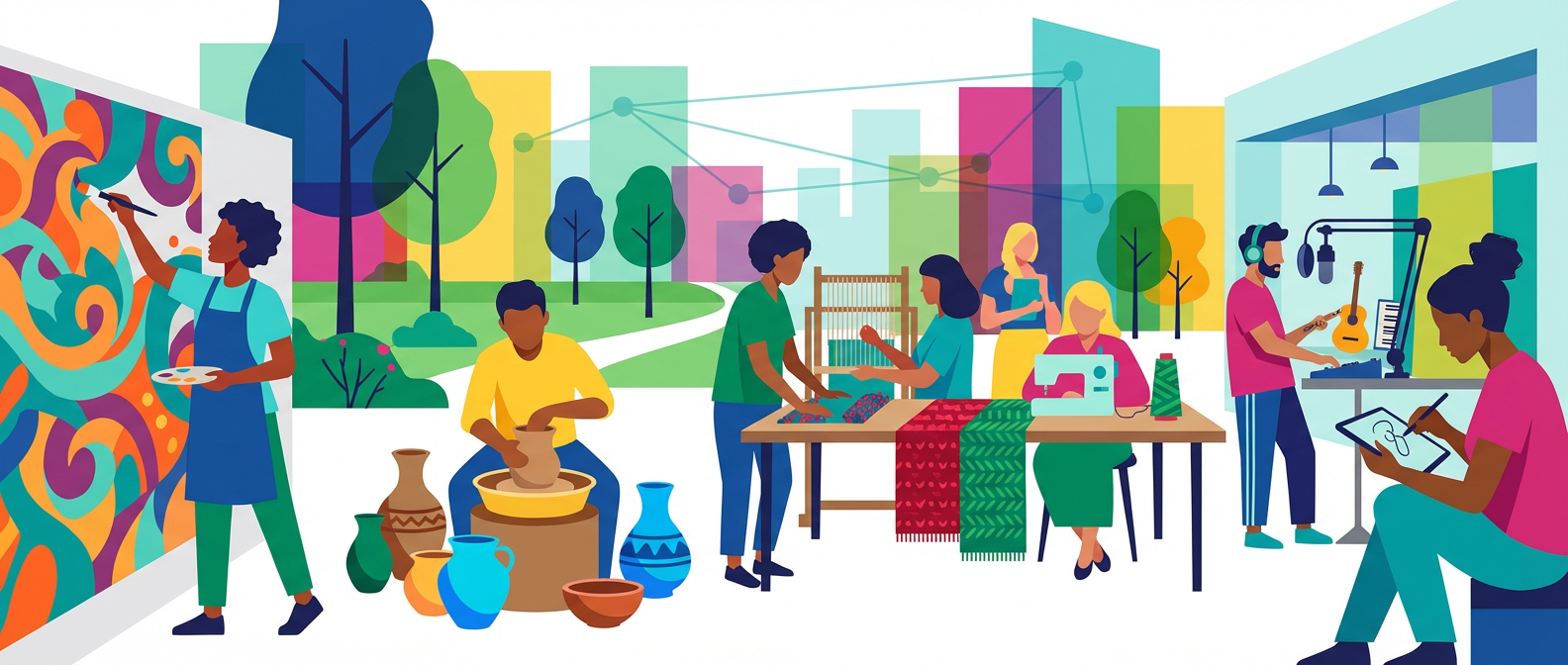
The final show was Zara Chen’s multimedia installation paired with a live set from Broken Weather, and maybe thirty people showed up. Which sounds depressing until you realize those thirty people included half the city’s emerging art scene, two gallery owners, and at least four artists who got their first real audience in that back room. The energy felt different that night. Electric. Like everyone understood we were watching something end.
Where Artists Became Artists
Mercury Room wasn’t Instagram pretty. The lighting was harsh fluorescent in the front, moody and unreliable in the back performance space. The sound system had quirks that required actual knowledge to work around. But here’s what mattered: it was affordable, available, and run by people who said yes more than no.
Owner Marcus Webb had this policy: if you could cover the door guy and keep the lights on, you could try whatever weird thing you wanted in that back room. No committee approvals. No artist statements. Just show up with an idea and enough friends to make it work. That’s how Lucia Morales tested her first sound sculptures before they landed in the Whitney. How the Midnight Collective figured out their whole aesthetic. How at least a dozen artists I know learned the difference between making art and sharing it.
The math was simple and brutal. Mercury needed $3,200 a month to break even. Most shows brought in maybe half that. The difference came from overpriced beer and the occasional private event, but even that wasn’t enough when rent jumped to $4,800 in January.
The Ripple Effect Nobody Talks About
When venues like Mercury disappear, the conversation usually focuses on where artists will perform next. That misses the deeper problem. Mercury wasn’t just presenting finished work. It was where rough ideas got tested, refined, sometimes completely torn apart and rebuilt.
Take Chen’s installation from that final night. Six months ago, it was just sketches and a vague concept about digital memory. She booked Mercury for a Tuesday in August, invited twelve people, and spent two hours watching them interact with her projections and sound. The feedback from that tiny audience shaped everything about the final version. Without spaces like Mercury, artists skip that messy middle step between studio experimentation and gallery presentation.
The replacement venues aren’t doing the same work. The community center books three months out and requires insurance documentation. The gallery cooperative charges $200 just to submit a proposal. The coffee shop that said they’d host art events changed their mind after one show drew “too many people.” None of these responses are wrong, they’re just different calculations, different priorities, different relationships to risk.
What Actually Gets Lost
Webb kept a notebook behind the bar where he tracked every show: who performed, how many people came, what worked, what bombed spectacularly. Five years of data about the city’s creative ecosystem that no arts council or university study ever captured. When I asked him about it during that final weekend, he just shrugged. “Probably garbage to anyone else.”
But that notebook contained something valuable: proof that real arts communities aren’t built through grants or strategic plans. They grow through hundreds of small decisions to show up, try something, invite friends, split the door money, and do it again next month.
The artists who came up through Mercury aren’t disappearing. Chen just opened a show at Meridian Gallery. Broken Weather signed with a booking agent. Marcus Delgado from the Midnight Collective got into that residency program everyone applies for. But the next wave, the artists still figuring out what their work actually is, they’re losing something that took five years to build and might take another five to replace.
The Economics of Experimentation
Here’s what I learned from Webb’s final numbers, which he shared with surprising openness: Mercury lost money on about 60% of their shows. The profitable events were corporate parties, birthday celebrations, and three or four music acts per year that could actually pack the room. Everything else? The weird performance art, the experimental music, the group shows where six artists split a $200 payout? Those were subsidized by people buying $7 beers.
The business model was absurd and doomed, which is probably why it worked as long as it did. Webb wasn’t trying to optimize anything. He was just creating conditions where things could happen, and sometimes they did.
That approach doesn’t scale, and it definitely doesn’t survive rent increases. But it produced something specific and irreplaceable: a space where artistic risk felt manageable, where failure wasn’t catastrophic, where you could test an idea without betting your whole career on it.
What Happens Next
The building that housed Mercury is becoming luxury condos, because of course it is. But three different groups are already talking about opening something similar elsewhere. Webb gave one of them his notebook, along with the contact list of everyone who ever performed or attended a show. The sound system went to a collective in the warehouse district.
Will any of these new spaces recreate what Mercury provided? Probably not exactly. The city is different now, rent is higher everywhere, and the specific combination of factors that made Mercury work might not happen again. But the need hasn’t disappeared. Artists still need somewhere to test ideas, build audiences, and figure out what they’re actually trying to say.
If you’re one of the people working on a new space, or if you know about venues that are quietly doing this work already, I want to hear about it. Not for some directory or resource guide, but because these stories matter. The next wave of artists is counting on us to notice what’s worth saving, what’s worth starting, and what’s worth showing up for.

The Unspoken Script: How Hidden Codes Decide Who Rises and Who Stalls
Why Everyone’s Walking the Same Three Blocks (And What Happens When the Route Gets Old)
How Charli XCX’s ‘Brat’ Quietly Took Over Every Underground Club Before the Mainstream Even Knew
About Author
