Growing More Than Vegetables: How Community Gardens Are Quietly Reshaping Neighborhoods
The Underground Network You Never Knew Existed
There’s a whole subculture happening behind chain-link fences and weathered gate signs that most people walk past without a second glance. Community gardens aren’t just about tomatoes and zucchini anymore. They’re becoming the nerve centers for hyperlocal organizing, cultural preservation, and the kind of neighbor-to-neighbor connections that used to happen naturally but now require intention.
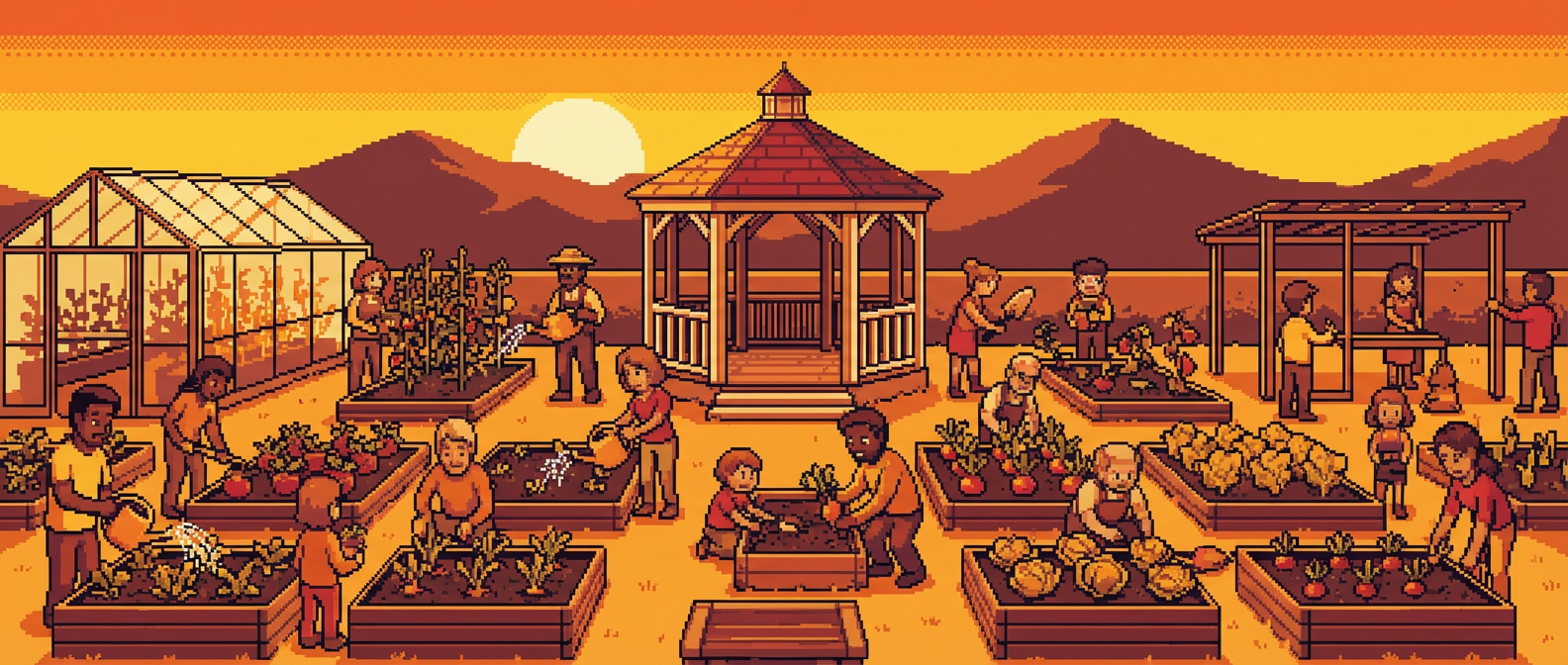
I stumbled into this world last spring when Maria Santos, who runs the weekend farmers market downtown, mentioned she was starting seedlings for “the Eastside plot.” Turns out she wasn’t talking about real estate. She was referring to the Roosevelt Elementary Community Garden, where 47 families from 12 different countries have carved out spaces that look less like uniform rows and more like a patchwork of homeland memories. Vietnamese mint grows next to Puerto Rican recao next to Ethiopian berbere peppers.
The waiting list for a plot is two years long. Not because land is scarce, but because word spreads differently here. Through mosque bulletin boards and community center flyers in three languages. Through conversations at the corner store and recommendations from the woman who cuts your kids’ hair. This isn’t Instagram gardening. This is survival gardening, cultural preservation gardening, community building gardening.

The Real Currency of Dirt
Spend a Saturday morning at any established community garden and you’ll witness an economy that doesn’t run on money. Carmen trades her famous salsa verde for help with her irrigation lines. Mr. Chen shares his composting expertise in exchange for someone to help him harvest before his back surgery. The Somali families in the north corner organized a tool-sharing system that’s become the template for three other gardens across the city.
The informal mentorship networks here would make LinkedIn jealous. Teenagers learn restaurant-quality herb cultivation from retired line cooks. Office workers get crash courses in soil pH from folks who’ve been growing food since before soil testing was a thing. I watched 8-year-old Aisha explain companion planting to a group of adults with the confidence of someone who’s been doing this work her whole life because, well, she has.
But the real revelation is how these spaces handle conflict and decision-making. No apps, no committee structures, no Robert’s Rules of Order. Just the understanding that if you want your tomatoes to thrive, you need your neighbor’s cucumbers to thrive too. Problems get solved over shared meals during harvest time. New rules emerge through consensus built over months of working side by side.
Cultural Preservation in 10×10 Plots
These gardens function as informal seed libraries for plant varieties you won’t find at any nursery. Mrs. Patel grows okra from seeds her grandmother brought from Gujarat in 1967. The Hernandez family maintains three varieties of corn that their great-grandfather selected and saved in Michoacán. These aren’t hobby gardens. They’re living archives.
The knowledge transfer happening here is equally precious. Traditional growing techniques that industrial agriculture abandoned decades ago are being passed down through demonstration and story. Water-wise planting strategies from drought-prone regions. Natural pest management that doesn’t rely on chemicals. Soil building methods that work with local conditions instead of fighting them.
Food preparation knowledge travels along with the plants. The Iranian families host informal preserving workshops every fall. The Mexican gardeners share different approaches to fermentation. The Polish plot holders organize pierogi-making sessions using their homegrown potatoes and cabbage. These aren’t scheduled programming. They’re organic cultural exchanges that happen because people are curious about their neighbors’ knowledge.
Beyond the Fence Lines
The influence of these garden communities extends far beyond their physical boundaries. Members become advocates for food justice policy at city council meetings. They organize voter registration drives conducted in multiple languages. They pressure corner stores to stock produce from local farmers and push schools to incorporate garden-based learning into their curricula.
The Roosevelt garden spawned a weekly ESL class taught by retired teacher volunteers. The Riverside plots group successfully lobbied for a new bus stop that connects their neighborhood to the downtown transit hub. The Northside gardeners partnered with the local food bank to donate thousands of pounds of fresh produce while teaching nutrition classes for families receiving food assistance.
These organizing efforts emerge naturally from people who’ve learned to solve problems collectively and who understand their interdependence in concrete, daily ways. When you’ve spent months coordinating watering schedules and sharing tools, advocating for better streetlights or accessible sidewalks feels like the logical next step.
The Growing Season Never Really Ends
Winter changes the rhythm but doesn’t stop the connections. Planning meetings move to community centers and living rooms. Seed catalogs get passed around like underground zines. The tool maintenance workshops draw people from gardens across the region, creating a broader network of knowledge and mutual aid.
New gardens emerge from these winter conversations. A group from the Eastside plots helped establish growing spaces at two senior housing complexes this year. The high school environmental club partnered with experienced gardeners to create educational demonstrations on campus. The momentum builds quietly, through relationships and trust rather than publicity campaigns.
The waiting lists keep growing, but so does the creative problem-solving. Vertical growing experiments on apartment balconies. Cooperative purchasing of bulk seeds and supplies. Mobile tool libraries that serve gardeners across multiple sites. The infrastructure of this movement is as grassroots and adaptive as the gardens themselves.
If you’ve been walking past those unassuming garden gates without paying attention, it might be time to slow down and look closer. These spaces are quietly redefining how communities form and sustain themselves. The work happening here isn’t just growing food. It’s growing the social fabric that makes neighborhoods resilient. Want to find the community gardens near you? Start by asking at your local library, community center, or that corner store where everyone seems to know everyone. The best ones are rarely advertised but always welcoming new hands willing to get dirty.

The Culture Fit Row: How One Line on the Interview Scorecard Selects for Conformity

The Hotel Lobby Is Dead, Long Live the Hotel Lobby: What Ace’s Fall and Its Rivals’ Rise Reveal About Travel in 2025
How Organizations Use Busyness as Status
About Author
